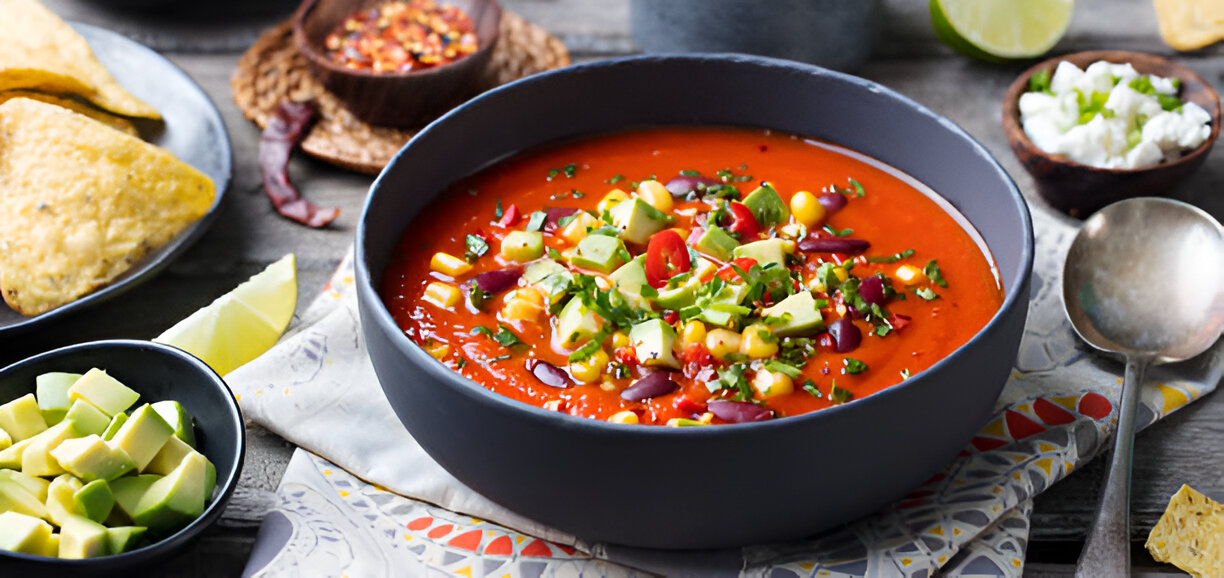
Savoring the Future: Why Mexican Vegan Veggie Stew is Your Next Culinary Obsession
In a world increasingly seeking dishes that satisfy both the palate and the conscience, the mexican vegan veggie stew emerges as a true culinary champion. This vibrant, hearty, and utterly delicious plant-based creation isn't just a meal; it's a celebration of rich flavors, wholesome ingredients, and a commitment to a more sustainable future. Imagine a bowl brimming with colorful vegetables, robust legumes, and aromatic spices, all simmering together in a tangy, slightly spicy tomato base – that's the magic of a good vegan Mexican stew.
For many, Mexican cuisine evokes images of bold flavors and comforting dishes, often rich in meat and dairy. However, the true essence of Mexican cooking lies in its celebration of fresh produce, diverse spices, and clever culinary techniques. A vegan rendition of a classic Mexican stew not only honors this tradition but also opens up a world of possibilities for health-conscious and environmentally aware eaters. As we delve into the world of this remarkable dish, you'll discover why a hearty mexican vegan veggie stew is poised to become a staple in your kitchen.
Chef Carlos Erez: Blending Heritage with Compassion in Every Bowl
The journey into exceptional vegan Mexican cooking often leads us to inspiring figures like Chef Carlos Erez. Born and raised in the bustling heart of New York City, Chef Carlos's culinary roots are deeply intertwined with his heritage. His beautiful mother, a native of Mexico, instilled in him a profound love and understanding of traditional Mexican flavors from a young age. This foundational knowledge, combined with his personal commitment to a vegan lifestyle for many years, has empowered him to create truly extraordinary dishes.
Chef Carlos has masterfully translated his mother's time-honored recipes and his rich cultural heritage into compassionate new meals, proving that authentic Mexican taste can thrive without animal products. His renowned "Mexican Rebel Veggie Stew" is a testament to this philosophy. It's a dish that defies expectations, offering all the depth and complexity of traditional Mexican cuisine while being entirely plant-based. Through his work, Chef Carlos illustrates how culinary traditions can evolve to embrace modern ethical and environmental considerations without sacrificing flavor or authenticity. For a deeper dive into his culinary philosophy and the specific notes of his iconic stew, you might find inspiration in Authentic Mexican Flavors: Chef Carlos's Vegan Rebel Stew.
Unpacking the Health Benefits of Your Mexican Vegan Veggie Stew
Beyond its incredible taste, a robust mexican vegan veggie stew is a nutritional powerhouse, making it an excellent choice for anyone looking to enhance their overall well-being. Plant-based meals are celebrated for their nutrient density, and this stew is no exception, packing a wholesome array of vitamins, minerals, and antioxidants into every spoonful.
- Rich in Essential Nutrients: By incorporating a variety of vegetables like potatoes, corn, carrots, celery, bell peppers, zucchini, and leafy greens, along with protein-packed legumes such as black beans or pinto beans, you ensure a balanced intake of vital nutrients. These ingredients contribute vitamins (A, C, K, B vitamins), minerals (potassium, iron, magnesium), and powerful antioxidants that support various bodily functions, from immune health to cellular repair.
- High in Fiber: The generous amount of vegetables and beans in a vegan Mexican stew translates to a high fiber content. Fiber is crucial for digestive health, promoting regularity and feeding beneficial gut bacteria. It also plays a significant role in satiety, helping you feel fuller for longer, which can be beneficial for weight management. Furthermore, fiber helps stabilize blood sugar levels, leading to improved energy and a reduced risk of chronic diseases.
- Low in Saturated Fats: Unlike many traditional meat-based stews, a vegan version is naturally low in saturated fats and free of cholesterol. This makes it an outstanding choice for promoting heart health and managing cholesterol levels. Swapping animal products for plant-based alternatives can significantly contribute to a healthier cardiovascular system.
- Supports Healthy Weight Management: With its high fiber and nutrient density coupled with lower calorie count (as highlighted by recipes like the "Cup of Yum" vegan vegetable stew), this dish can be a fantastic tool for those aiming to maintain a healthy weight without sacrificing flavor or satisfaction.
Choosing a vibrant mexican vegan veggie stew is a delicious way to maximize your fiber and nutrient consumption while minimizing saturated fat intake, contributing to a truly balanced and healthy diet. For more detailed information on the nutritional aspects and specific recipe ideas, consider exploring Nutrient-Rich Vegan Mexican Stew: Health Benefits & Recipe.
Savoring Flavor, Sustaining the Planet
Opting for a comforting bowl of mexican vegan veggie stew isn't just a treat for your taste buds and your body; it's a powerful statement for environmental stewardship. Plant-based diets are increasingly recognized as a cornerstone of a sustainable future, and every time you choose a meal like this stew, you contribute positively to our planet.
The environmental impact of animal agriculture is substantial, encompassing significant land and water usage, deforestation, and greenhouse gas emissions. By contrast, producing plant-based foods generally requires far fewer resources.
- Reduced Carbon Footprint: Adopting a vegan lifestyle, even partially, can lead to a substantial reduction in your carbon footprint. Animal agriculture is a major contributor to greenhouse gases like methane and nitrous oxide. Shifting towards plant-centric meals helps mitigate these emissions.
- Conservation of Resources: Cultivating vegetables and legumes for a stew uses considerably less land and water compared to raising livestock. This shift helps reduce the strain on precious natural resources, ultimately contributing to a more resilient and sustainable food system for everyone.
- Biodiversity Protection: Extensive land use for animal farming can lead to habitat destruction and a loss of biodiversity. Supporting plant-based agriculture can help protect diverse ecosystems and the species that inhabit them.
Every delicious spoonful of your mexican vegan veggie stew is a step towards a more sustainable way of eating, proving that conscious choices can be incredibly satisfying and impactful.
Crafting Your Perfect Mexican Vegan Veggie Stew
The beauty of a mexican vegan veggie stew lies in its versatility and adaptability. While core ingredients like potatoes, corn, carrots, and celery simmered in a tangy tomato base (often with a touch of spice from chili powder or jalapeños) form the foundation, the possibilities for customization are endless. Here are some tips and ideas to create your signature stew:
Essential Flavor Foundation:
Start with a robust base. Sauté aromatics like onions and garlic until fragrant, then add spices such as cumin, chili powder, oregano, smoked paprika, and a pinch of cayenne or chipotle in adobo for a smoky heat. A good quality vegetable broth and crushed tomatoes will form the rich liquid base.
Your Veggie Canvas:
Don't limit yourself to just potatoes, corn, carrots, and celery. Consider adding:
- Root Vegetables: Sweet potatoes, parsnips, or even jicama for a different texture.
- Leafy Greens: Spinach, kale, or collard greens stirred in towards the end for added nutrition and color.
- Squash & Peppers: Zucchini, yellow squash, bell peppers (any color), or poblano peppers for a mild, earthy spice.
- Legumes: Black beans, pinto beans, kidney beans, or even chickpeas for extra protein and fiber. Rinse canned beans thoroughly before adding.
Tang and Spice Balance:
Adjust the tanginess with a squeeze of fresh lime juice or a splash of apple cider vinegar at the end. For spice, start mild and build up. Fresh jalapeños or serranos can be added with the aromatics, or a dash of your favorite hot sauce at serving time.
Perfecting the Simmer:
Allow your stew to simmer gently for at least 20-30 minutes after adding all ingredients. This allows the flavors to meld beautifully and the vegetables to become tender. A longer simmer often means deeper flavor!
Garnishes and Serving Suggestions:
Elevate your stew with fresh, vibrant toppings:
- Fresh cilantro and thinly sliced green onions
- Diced avocado or a dollop of vegan sour cream
- A squeeze of fresh lime juice
- Crushed tortilla chips or strips for crunch
- Serve with warm tortillas or a side of fluffy rice for a complete meal.
This dish is also fantastic for meal prep, often tasting even better the next day as the flavors continue to develop.
Conclusion
The mexican vegan veggie stew is far more than just a recipe; it's a testament to the power of plant-based cuisine to deliver on every front – taste, nutrition, and sustainability. From the rich culinary heritage inspiring dishes like Chef Carlos Erez's "Rebel Veggie Stew" to the undeniable health benefits packed into every fiber-rich, nutrient-dense bowl, and its profound positive impact on our planet, this dish represents a delicious step towards a better future. So, gather your vibrant vegetables and aromatic spices, and embark on a culinary journey that promises satisfaction for your palate, nourishment for your body, and compassion for the world around us. Your next favorite meal awaits.
